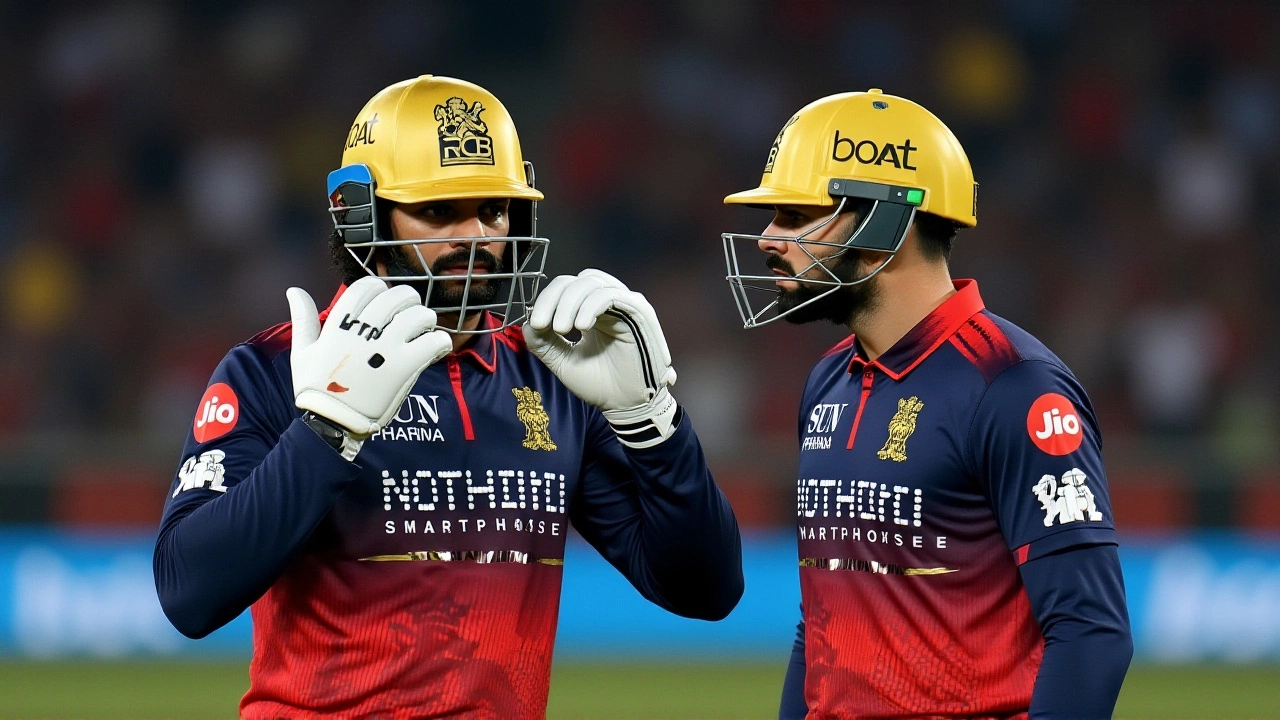
The dust has finally settled on the league stage of IPL 2026 India, and it’s a different beast than anyone expected. Defending champions Royal Challengers Bengaluru have stormed to the top spot, while five-time titans Mumbai Indians and Lucknow Super Giants are already packing their bags for home. The twist? It wasn’t just about winning; it was about net run rate (NRR) doing the heavy lifting in a season where three teams finished with identical point totals.
Here’s the thing: cricket fans love drama, but this year’s table delivered heartbreak and triumph in equal measure. While RBC looked unstoppable, the race for the final playoff spot came down to a wire-puller involving Rajasthan Royals and Punjab Kings. Meanwhile, individual stars like Heinrich Klaasen and Anshul Kamboj weren’t just playing for their teams—they were hunting personal glory caps that defined the tournament’s narrative.
The Final Standings: Who Made the Cut?
By the time the last league ball was bowled, the picture was clear. Royal Challengers Bengaluru finished atop the table with 18 points and a formidable NRR of +0.783. They didn’t just win matches; they dominated them. Right behind them, Gujarat Titans and Sunrisers Hyderabad also clocked 18 points each, but GT edged SRH into second place thanks to a superior NRR of +0.695 versus SRH’s +0.524.
But wait—the fourth spot was the real story. Rajasthan Royals grabbed the final ticket with 16 points after a crucial victory over Mumbai Indians on the final day. It was a nail-biter. Punjab Kings, despite having 15 points, missed out. Why? A washout earlier in the season proved costly, leaving them with only seven wins, six losses, and one no-result. In IPL math, that single lost game cost them a shot at the title.
At the bottom, it was grim reading. Mumbai Indians and Lucknow Super Giants both managed just four wins from 14 matches. MI finished ninth due to a slightly better NRR (-0.585) compared to LSG’s -0.907, but honestly, neither team looked like themselves. For franchises with such rich histories, finishing with fewer than 10 points is a stark reminder that past glory doesn’t buy current form.
Orange and Purple Caps: Individual Brilliance
While teams fought for survival, individuals went on tear sheets. The Orange Cap, awarded to the highest run-scorer, stayed firmly in the hands of Heinrich Klaasen batter for Sunrisers Hyderabad. With 494 runs, he wasn’t just leading; he was cruising. His teammate Abhishek Sharma chased him hard with 475 runs, making SRH’s opening pair a nightmare for opposing bowlers.
Interestingly, Shubman Gill of Gujarat Titans sat third with 462 runs, proving his captaincy came with batting class. But perhaps the surprise package was Vaibhav Suryavanshi of Rajasthan Royals, who scored 440 runs to secure fifth place. These numbers aren’t just stats; they represent consistency under pressure.
On the bowling front, the Purple Cap belonged to Anshul Kamboj of Chennai Super Kings. He picked up 19 wickets in 11 matches at an economy rate of 9.17. Not bad, considering he was often thrown in during death overs. Kagiso Rabada of Gujarat Titans was close behind with 18 wickets, though his economy (9.35) was slightly higher. Veteran Bhuvneshwar Kumar of RCB added weight to the list with 17 wickets, showing age is just a number when you’ve got swing.
Playoff Pathways: What’s Next?
The stakes are now incredibly high. The official IPL website has confirmed the schedule, and venues matter more than ever. Qualifier 1 will take place on May 26 at the Himachal Pradesh Cricket Association Stadium in Dharamsala. Here, top-seeded Royal Challengers Bengaluru will face Gujarat Titans. The winner goes straight to the final—a massive advantage.
If you lose Qualifier 1, don’t panic yet. There’s a lifeline. The loser of Q1 plays the winner of the Eliminator in Qualifier 2. That Eliminator is scheduled for May 27 in New Chandigarh, pitting Sunrisers Hyderabad against Rajasthan Royals. It’s a do-or-die match. The winner advances to Qualifier 2 on May 29, also in New Chandigarh, for another chance at immortality.
The grand finale? Set for May 31 at the Narendra Modi Stadium in Ahmedabad. This venue, known for its electric atmosphere and massive capacity, will host the ultimate showdown. Who will lift the trophy? We’re still guessing, but one thing is certain: the margin for error is zero.
Context and Comebacks
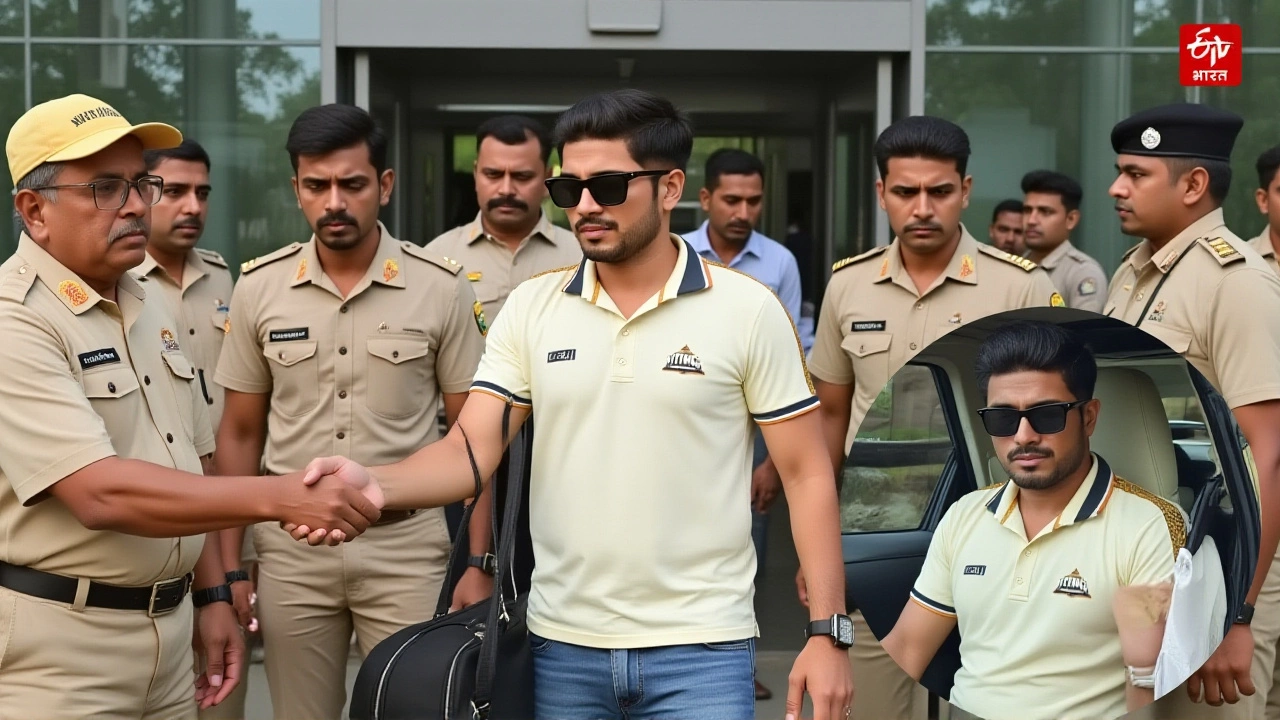
It’s worth remembering that IPL 2026 is the 19th edition of the league. Virat Kohli’s RCB entered as defending champions after their historic first title in 2025. Now, they look poised to defend it. Meanwhile, Chennai Super Kings, associated with the legendary MS Dhoni, endured another disappointing campaign, finishing eighth with 12 points. Even giants stumble.
Kolkata Knight Riders, three-time champions, also struggled, ending seventh with 13 points. Their inconsistency highlighted how unpredictable T20 cricket can be. One bad day can erase weeks of good performances. As for Delhi Capitals, their late surge—moving to seventh mid-table before fading—showed resilience but ultimately lacked the firepower needed for the top four.
Frequently Asked Questions
Which teams qualified for the IPL 2026 playoffs?
The four teams that secured playoff spots are Royal Challengers Bengaluru (1st), Gujarat Titans (2nd), Sunrisers Hyderabad (3rd), and Rajasthan Royals (4th). Rajasthan Royals clinched the final berth with 16 points after a crucial win, narrowly edging out Punjab Kings who had 15 points but suffered from a costly washout earlier in the season.
Why did Mumbai Indians and Lucknow Super Giants get eliminated early?
Both teams finished with only four wins from 14 matches, accumulating just 6 points each. Mumbai Indians finished ninth and Lucknow Super Giants tenth due to negative net run rates. Their inability to secure consistent victories throughout the league stage meant they fell well short of the top-four cutoff required for playoff qualification.
Who won the Orange Cap and Purple Cap in IPL 2026?
Heinrich Klaasen of Sunrisers Hyderabad won the Orange Cap with 494 runs, followed closely by Abhishek Sharma with 475 runs. The Purple Cap went to Anshul Kamboj of Chennai Super Kings, who took 19 wickets in 11 matches. Kagiso Rabada was second in the bowling charts with 18 wickets.
What is the playoff schedule and venue details?
Qualifier 1 is on May 26 in Dharamsala between RCB and GT. The Eliminator is on May 27 in New Chandigarh between SRH and RR. Qualifier 2 follows on May 29 in New Chandigarh. The Final is scheduled for May 31 at the Narendra Modi Stadium in Ahmedabad. Winning Qualifier 1 grants a direct entry to the final.
How does Net Run Rate affect standings in the IPL?
Net Run Rate (NRR) is used to break ties when teams have equal points. In IPL 2026, RCB, GT, and SRH all finished with 18 points. RCB topped the table with an NRR of +0.783, GT came second with +0.695, and SRH third with +0.524. This metric rewards teams not just for winning, but for winning by larger margins or losing by smaller ones.