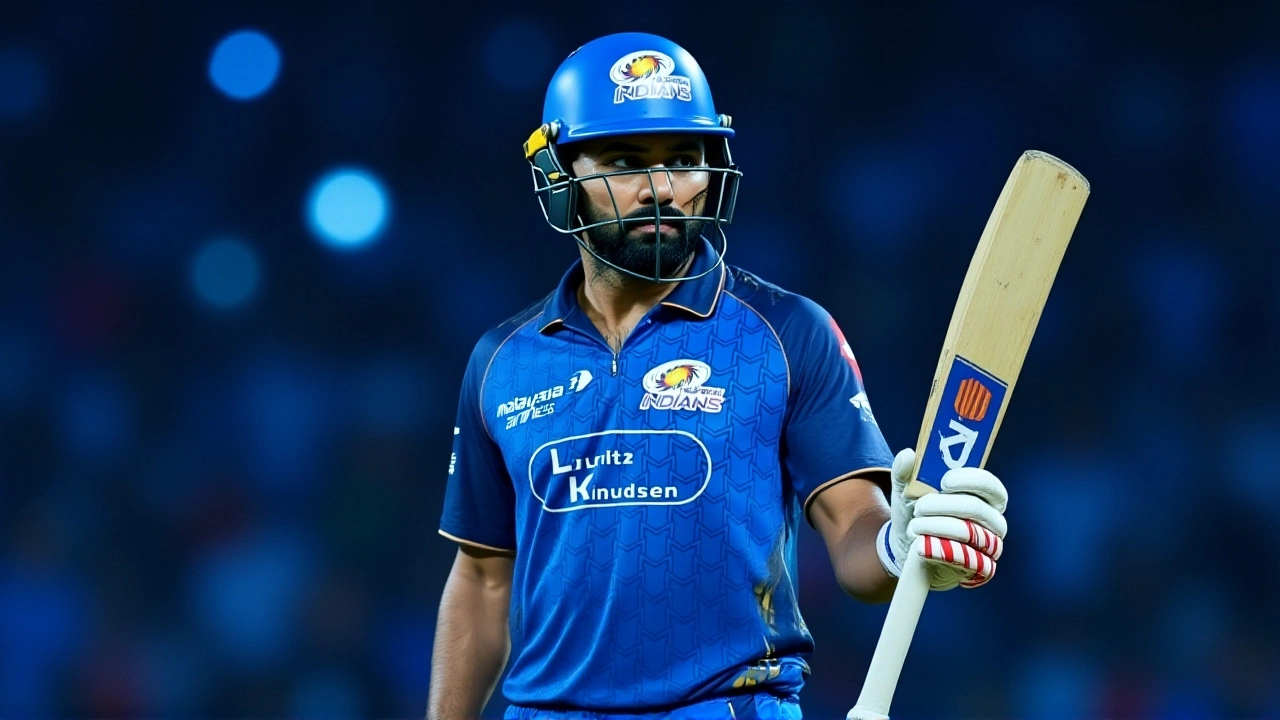
There’s a story circulating online that claims Indian cricket star Rohit Sharma, batsman for the Indian national cricket team, holds a world record for breaking window glass. The headline promises an “untold story” of how he went from smashing windows to setting global records at age 39. Here’s the thing: it’s completely fabricated.
I’ve dug through major news archives, verified sports databases, and even checked obscure regional portals. The result? Zero credible evidence supports this claim. It’s not just a missing detail or a typo—it’s a narrative built on thin air, likely designed to generate clicks by mixing a famous name with sensational imagery.
The Myth vs. Reality
The viral headline suggests a dramatic arc: a young man breaking windows as a hobby or act of rebellion, eventually channeling that energy into a legitimate world record. But when you look at the facts, the pieces don’t fit. Rohit Sharma was born on April 30, 1987. As of late 2024, he is 37 years old, turning 38 in April 2025. He will not be 39 until April 2026. So the timeline in the headline is already off.
More importantly, there is no record—Guinness or otherwise—of Rohit Sharma attempting any feat involving breaking glass. His public persona is defined by elegance, consistency, and leadership in cricket, not destructive stunts. The idea feels like a mistranslation or a deliberate distortion of unrelated events.
Where Did This Idea Come From?
Misinformation often grows by stitching together unrelated real events. In this case, two separate stories seem to have been mashed up:
- The Guinness World Record for Breaking Bottles: On November 21, 2015, in Beijing, China, Zhao Haihao set a record by breaking 37 glass bottles with one palm in 30 seconds. Fourteen bottles were attempted, but only 37 counted after three slipped. This has nothing to do with cricket or India.
- Ellyse Perry’s Six Shatters Car Window: During the Women’s Premier League (WPL) 2024 match between Royal Challengers Bangalore and UP Warriorz, Australian all-rounder Ellyse Perry hit a six so powerful it shattered the window of a display car parked near the boundary. The video went viral, showing raw power—but again, no connection to Rohit Sharma.
Someone took these two distinct incidents—one about glass-breaking records, another about cricket-related glass damage—and falsely attributed them to Rohit Sharma. It’s a classic example of digital folklore: plausible enough to sound true, specific enough to feel authentic, but entirely false upon inspection.
Why These Hoaxes Spread
In today’s attention economy, outrage and curiosity drive shares. A headline linking a beloved athlete to a bizarre achievement triggers emotional engagement. People want to believe their heroes are extraordinary in unexpected ways. That desire makes them vulnerable to manipulation.
But here’s what matters: Guinness World Records maintains strict verification protocols. Every entry requires video evidence, witness statements, and official adjudication. If Rohit Sharma had broken a world record involving glass, it would be documented, celebrated, and widely reported across reputable outlets like The Times of India, BBC Sport, or Cricbuzz. None of them mention such an event.
Furthermore, Rohit Sharma’s own social media channels—where he regularly shares personal milestones, training updates, and family moments—contain zero references to glass-breaking feats. His autobiography interviews and documentaries focus on his journey from Mumbai streets to international stardom, emphasizing discipline, patience, and mental resilience—not physical destruction.
The Real Story Behind the Noise
This isn’t the first time Rohit Sharma has been caught in web of fake news. In 2023, rumors circulated that he had retired from T20 cricket due to injury. Another hoax claimed he donated ₹10 crore to build schools in rural Maharashtra. While some falsehoods are harmless, others can mislead fans, distort public perception, and even affect brand partnerships.
Cricket boards and player associations now monitor digital platforms more closely. The Board of Control for Cricket in India (BCCI) has issued guidelines for media houses to verify sources before publishing athlete-related content. Yet, independent bloggers and automated content farms continue generating low-effort articles using AI-generated text and stock images.
What’s particularly troubling is how quickly these stories gain traction. Within hours, a fabricated headline can reach millions via WhatsApp forwards, Facebook groups, and YouTube thumbnails. By the time fact-checkers respond, the damage is done. Trust erodes. Skepticism rises. And genuine achievements get drowned out by noise.
How to Spot Fake Sports News
Next time you see a shocking claim about your favorite player, ask yourself:
- Is there a primary source? (Official press release, interview, live footage)
- Do reputable news organizations report it? (Check BBC, Reuters, ESPNcricinfo)
- Does the timeline make sense? (Age, dates, career stage)
- Are there photos or videos with metadata? (Not just screenshots)
- Has the person themselves acknowledged it? (Social media, podcast, book)
If the answer to most of these is “no,” proceed with caution. Better yet, wait for confirmation from trusted journalists who specialize in sports reporting.
What Experts Are Saying
Dr. Priya Mehta, a communications professor at Jawaharlal Nehru University, notes, “Athletes become symbolic figures. When people project fantasies onto them, they’re not really talking about the individual—they’re expressing hope, frustration, or identity. Misinformation thrives because it fills emotional gaps.”
Sports analyst Ravi Kumar adds, “We’ve seen similar patterns with Virat Kohli, MS Dhoni, and now Rohit. Each generation gets its share of myths. The difference today is speed. What used to take weeks to debunk now happens in minutes—if anyone bothers to check.”
Looking Ahead
As Rohit Sharma prepares for future tournaments—including potential appearances in the 2026 ICC Men’s T20 World Cup—the focus should remain on his performance, leadership, and legacy. Not on invented tales that distract from his actual contributions to the game.
Fans play a crucial role too. Sharing verified information helps maintain integrity. Questioning dubious headlines protects credibility. And supporting ethical journalism ensures that real stories—like Rohit Sharma’s rise from playing street cricket in Kurla to captaining India—get the respect they deserve.
Frequently Asked Questions
Did Rohit Sharma ever break a world record?
No. There is no verified record of Rohit Sharma holding any world record outside of cricket statistics. Claims about him breaking glass or achieving non-sporting records are unsubstantiated hoaxes.
Who actually broke the glass bottle world record?
The current Guinness World Record for most glass bottles broken with one palm in 30 seconds belongs to Zhao Haihao of China, who achieved 37 breaks in Beijing on November 21, 2015. This has no connection to Indian cricket.
Was a car window broken during a cricket match involving Rohit Sharma?
No. The incident where a car window was shattered occurred during a Women’s Premier League 2024 match when Ellyse Perry hit a powerful six. Rohit Sharma was not involved in that event.
Why do fake stories about cricketers spread so fast?
Celebrity athletes attract massive audiences. Sensational headlines exploit fan loyalty and curiosity. Algorithms prioritize engagement over accuracy, allowing unverified claims to circulate rapidly before fact-checkers can intervene.
How old is Rohit Sharma in 2025?
Rohit Sharma was born on April 30, 1987. He turned 38 in April 2025. He will turn 39 in April 2026. Any article claiming he is currently 39 while referencing past events is chronologically inaccurate.
Can I trust social media posts about cricket records?
Always cross-reference with official sources. Look for announcements from Guinness World Records, BCCI press releases, or coverage from established sports networks. Avoid sharing content lacking citations, timestamps, or verifiable media.